Bakery Delivery
Tennessee Cottage Food Laws: What You Can Sell and Deliver From a Home Kitchen
Tennessee cottage food laws explained: what the Tennessee Food Freedom Act allows, which homemade foods you can sell, the required label, and the rules for delivering and shipping orders.
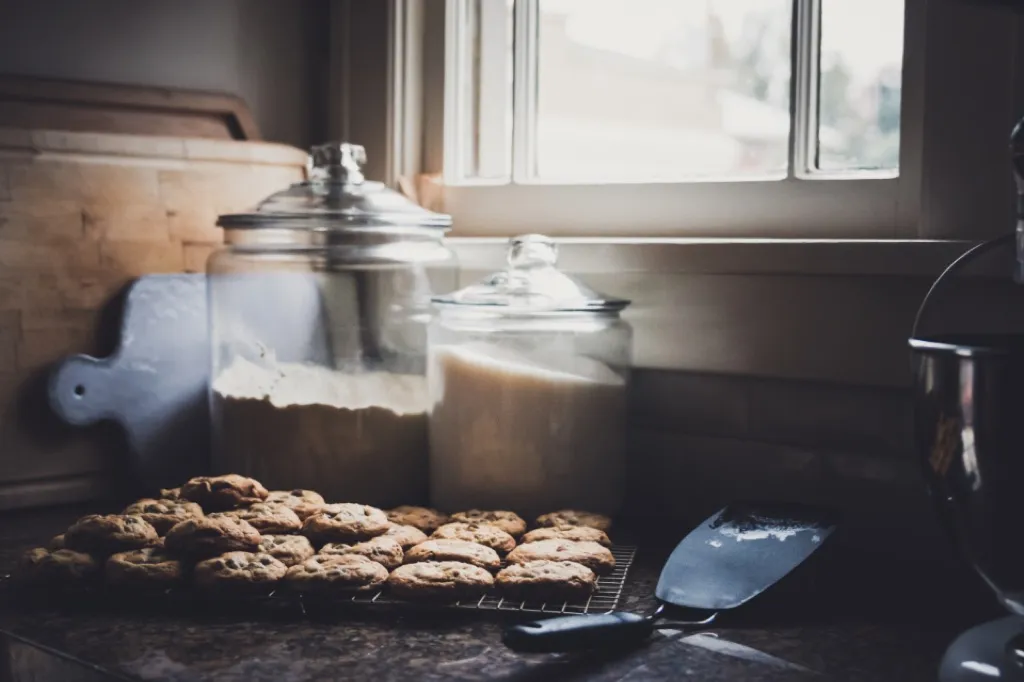
Tennessee’s cottage food law is the Tennessee Food Freedom Act. It lets you make food in your home kitchen and sell it within Tennessee without a license, permit, or inspection, as long as you follow the law’s rules on what you sell, how you sell it, and how you label it.
The law changed on July 1, 2025, and the update matters for home bakers and small food businesses around Nashville. It widened the kinds of food you can sell, and it spells out who is allowed to deliver your orders.
This guide is for general information and isn’t legal advice. For questions about your products, contact the Tennessee Department of Agriculture or UT Extension.
Key takeaways
- Homemade food sold under the Tennessee Food Freedom Act is exempt from state licensing, permitting, and inspection.
- Food must be made at your private residence and sold only within Tennessee.
- Shelf-stable (non-TCS) foods can be sold in person, online, by phone, or through stores, and can be delivered by you, an agent, or a third-party carrier.
- Foods that need refrigeration (TCS) became legal to sell in 2025, but only in person, directly to the consumer.
- Every product needs specific label information, including your name, home address, and a required statement.
What Is Tennessee’s Cottage Food Law?
Tennessee’s cottage food law is the Tennessee Food Freedom Act, found at Tenn. Code Ann. § 53-1-118. The statute says the production and sale of homemade food items are “exempt from all licensing, permitting, inspecting, packaging, and labeling laws of this state, except when the department of health is investigating a reported foodborne illness” (statute text published by UT Food Science Extension).
That exemption comes with conditions, which the rest of this guide covers. A “homemade food item” is defined as a food item, including a non-alcoholic beverage, that is produced and, if packaged, packaged at the private residence of the producer.
The law has loosened steadily over time, according to UT Food Science Extension:
- Before 2007: Tennessee prohibited the sale of homemade foods.
- 2007: The first cottage food rules allowed non-potentially hazardous foods, with licensing and kitchen inspections.
- 2012 and 2017: Inspection became optional, and the state later stopped licensing home kitchens altogether.
- 2022: The first Tennessee Food Freedom Act passed, covering shelf-stable homemade foods.
- 2025: The current version took effect on July 1, 2025, adding most foods that require temperature control, with restrictions.
The law also preempts counties and cities from prohibiting or regulating the production and sale of homemade food items.
What Foods Can You Sell From Home in Tennessee?
What you can sell, and how, depends on whether the food is TCS or non-TCS. TCS stands for time/temperature control for safety: foods that have to be kept cold or hot to stay safe.
| Non-TCS foods | TCS foods | |
|---|---|---|
| What they are | Shelf-stable foods that don’t need refrigeration for safety | Foods that need temperature control to stay safe |
| Examples | Breads, cookies, cakes with shelf-stable frosting, candy, jams and jellies, granola, dried goods | Cream-filled pastries, fresh salsa, cut fruit, cooked rice or pasta, fresh cheese, yogurt |
| How they can be sold | In person, by phone, online, or through a store | In person only |
| Delivery | Producer, agent, third-party vendor, or third-party carrier | No delivery provision; the sale must be made in person |
The examples come from UT Extension’s guidance. Baked goods are generally non-TCS, but UT notes that the frosting or filling must also be low in available moisture, and that pastries with cream filling or filling added after baking are typically TCS. If you’re not sure where your product falls, ask UT Food Science Extension before you sell it.
What you can’t sell. TCS homemade food items can’t include unpasteurized milk, or foods that are or contain alcoholic beverages, fish, shellfish products, meat, meat byproducts, or meat food products. Poultry is allowed only under specific federal exemptions. UT Extension summarizes the limits as no red meats, fish, shellfish, raw milk, or alcohol.
Do You Need a License or Inspection?
No. If you meet the conditions of the Tennessee Food Freedom Act, you don’t need a state food license, permit, or kitchen inspection to make and sell homemade food.
A few things still apply:
- Taxes. The statute says it does not exempt producers or sellers from any applicable tax law.
- Foodborne illness investigations. The Department of Health can still investigate a reported illness.
- Other regulations. The law doesn’t change the regulation of other goods and services sold alongside homemade food.
- Where the food is made. It must be produced at your private residence. UT Extension notes that the current law doesn’t cover community or commercial kitchens without a permit.
The section doesn’t include an annual sales cap. Check with the Tennessee Department of Agriculture if you’re unsure whether your operation fits within the exemption.
Where Can You Sell Homemade Food in Tennessee?
Non-TCS foods have the widest options. They can be sold:
- By you, directly to the consumer, in person or remotely, including by telephone or internet.
- By an agent or a third-party vendor, such as a retail shop or grocery store, to the consumer.
That means a home baker in Nashville can sell cookies at a farmers market, take orders through a website, or place bread in a local shop.
TCS foods are more limited. They must be sold by the producer to the consumer in person, or by an agent of the producer in person, such as at a farm stand on the property where the food was prepared. UT Extension also advises keeping TCS foods refrigerated below 41°F during storage, transport, and sale.
Two limits apply to everything:
- Tennessee only. The law applies only to intrastate sales made within the state. Shipping to a customer in Kentucky or Alabama isn’t covered.
- Not for restaurants or caterers. UT Extension states that homemade food items can’t be served or used as ingredients in a restaurant, food truck, or catering service, because those businesses must source from inspected suppliers.
Can You Deliver or Ship Homemade Food in Tennessee?
Yes, for non-TCS foods. The statute says non-TCS homemade food items must be delivered either by “the producer to the consumer” or by “an agent of the producer, a third-party vendor, or a third-party carrier to the consumer.”
In practice, that gives a home food business three ways to get orders out:
- Deliver them yourself.
- Have someone deliver on your behalf, acting as your agent.
- Use a third-party carrier, such as a local courier or a shipping company, for deliveries within Tennessee.
For TCS foods, the statute requires the sale to happen in person and doesn’t provide for third-party delivery. If your products need refrigeration, plan on handing them to customers directly.
Delivery is often where a growing home bakery runs out of hours. A custom cake order in Franklin, a cookie box in East Nashville, and a farmers market on the same Saturday can’t all be covered by one person. When you hand shelf-stable orders to a courier, keep the required label on every package, pack items so they can’t shift, and ask for a delivery photo. Our guides on how to transport a cake and proof of delivery cover both in detail, and you can see how we work with Nashville bakeries and other food and beverage businesses.
Tennessee Cottage Food Labeling Requirements
Labeling is the one requirement the law is strict about. The following information must be provided to the consumer:
- The name, home address, and telephone number of the producer.
- The common or usual name of the food.
- The ingredients, in descending order of predominance.
- This statement: “This product was produced at a private residence that is exempt from state licensing and inspection. This product may contain allergens.”
Where the information goes depends on how the food is sold:
- Packaged food: on a label affixed to the package.
- Sold from a bulk container: on a label affixed to the container.
- Not packaged and not in a bulk container: on a placard displayed at the point of sale.
- Sold only online: on the webpage where the item is offered for sale.
For telephone and custom orders, the statute doesn’t require the full label to be displayed. The seller must tell the consumer that the item is produced at a private residence that is exempt from state licensing and inspection and may contain allergens, and must have the producer, product name, and ingredient information available on request. That covers the typical custom cake order.
UT Extension adds that there’s no alternative to listing your home address. Producers who don’t want personal information on the label would need to become licensed food manufacturers. UT also notes that health claims aren’t allowed on these labels, and recommends adding “Keep Refrigerated” to TCS foods.
A Checklist Before You Start Selling
- Confirm your product is allowed and whether it’s TCS or non-TCS.
- Make it at home. The exemption covers food produced at your private residence.
- Create your label with all four required elements.
- List ingredients carefully, including sub-ingredients that contain common allergens such as milk, eggs, wheat, soy, peanuts, tree nuts, and sesame.
- Decide how you’ll sell: in person, online, by phone, or through a shop (non-TCS only).
- Plan your delivery area within Tennessee and how orders will get there.
- Keep sales tax in mind, since the exemption doesn’t cover tax law.
- Follow good kitchen practices: clean and sanitized surfaces, food-grade packaging, and no pets in the workspace while you’re producing.
Frequently Asked Questions
Do you need a license to sell baked goods from home in Tennessee?
No. Under the Tennessee Food Freedom Act, homemade food items that meet the law’s conditions are exempt from state licensing, permitting, and inspection. You do need to follow the labeling rules and sell only within Tennessee.
Can you sell homemade food online in Tennessee?
Yes, for non-TCS (shelf-stable) foods. The statute allows the producer to sell to consumers remotely, including by telephone or internet, and the required label information must appear on the webpage. TCS foods must be sold in person.
Can you ship cottage food in Tennessee?
Non-TCS homemade foods can be delivered by a third-party carrier to consumers within Tennessee. The law covers only sales made within the state, so it doesn’t extend to out-of-state orders.
Can you sell homemade food to restaurants or stores in Tennessee?
Stores, yes: non-TCS homemade foods can be sold through a third-party vendor such as a retail shop or grocery store. Restaurants, no: UT Extension states that homemade food items can’t be served or used as ingredients by restaurants, food trucks, or caterers.
Is there a sales limit for cottage food in Tennessee?
The Food Freedom Act’s exemption doesn’t set an annual sales cap. Tax laws still apply to your sales.
Can you sell cheesecake or cream-filled desserts from home in Tennessee?
Foods that need refrigeration are TCS foods. Since July 1, 2025, most TCS homemade foods can be sold, but only in person, directly to the consumer, and they should be kept refrigerated below 41°F. Ask UT Food Science Extension to confirm how your specific recipe is classified.
The Bottom Line
Tennessee keeps the rules for selling homemade food short: no license, no inspection, and no sales cap in the Act, as long as the food is made at home, labeled correctly, and sold within the state. Shelf-stable foods can be sold online and delivered by a carrier, while refrigerated foods have to be sold in person. Get the label right first, then decide how far you want to deliver. When you’re ready to price that out, use the delivery cost calculator for any route in the Nashville area.