Bakery Delivery
How to Transport a Cake Without Ruining It (Including Tiered and Wedding Cakes)
Step-by-step tips for transporting a cake in a car: chilling, boxing, where to put it, keeping it cool, moving tiered and wedding cakes, and food-safety timing for Nashville's hot days.
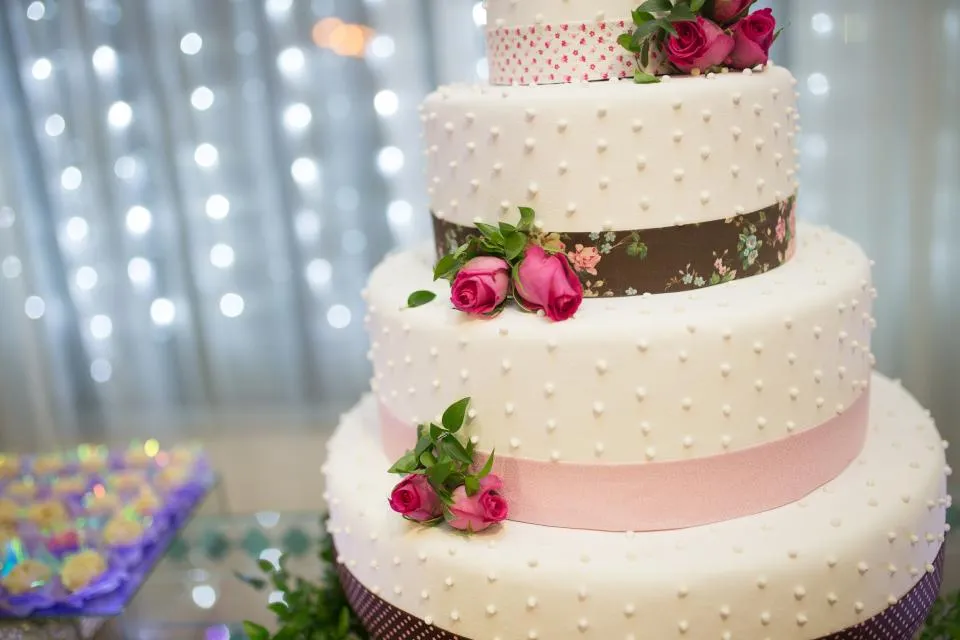
The safest way to transport a cake is to chill it until firm, secure it on a sturdy board in a snug box, and carry it on a flat, level surface in a cool car, driving gently the whole way. For tiered and wedding cakes, add internal supports and, whenever possible, move the tiers separately and stack them at the venue.
Most cake disasters happen in the car, not the kitchen: a sharp stop, a sloped seat, or a hot afternoon can undo hours of work. Here’s how bakeries and home bakers get cakes there in one piece.
Key takeaways
- Chill first. A cold, firm cake holds its shape far better than one straight from decorating.
- Flat and level beats a lap or a seat. Use the floor or a flat trunk, on a non-slip mat.
- Keep it cool with the air conditioning on and the cake out of direct sun.
- Transport tiers separately when you can, and bring a small repair kit.
- Perishable fillings shouldn’t sit out more than 2 hours, or 1 hour above 90°F, per USDA guidance.
Before You Leave: Prepare the Cake
Good transport starts before the cake leaves the kitchen.
- Chill the cake until firm. Refrigerating the finished cake firms up buttercream, ganache, and fillings so they’re less likely to shift, smear, or crack in transit.
- Use a sturdy cake board. The board should be rigid and slightly larger than the cake. Secure the cake to it with a dab of frosting so it can’t slide.
- Box it snugly. Choose a box only a little larger than the board, so the cake can’t move around inside. For tall cakes, use a tall box or build one; don’t let the lid touch the decorations.
- Keep decorations separate. Fresh flowers, toppers, and delicate sugar work are often safer added on arrival.
- Pack a repair kit. Bring extra frosting in a piping bag, a spatula, and any spare decorations to fix small scuffs on-site.
In the Car: Where to Put a Cake
Put the cake on a flat, level surface, never on a car seat or someone’s lap. Most car seats slope backward, and even a slight tilt puts steady pressure on the frosting.
The best spots are:
- The floor of the passenger footwell, which is usually flat and close to the air conditioning.
- A flat trunk or cargo area, if it’s climate-controlled and nothing can slide into the box.
Place the box on a non-slip mat (rubber shelf liner works well) so it can’t slide during braking or turns. Don’t stack anything on top of the cake box, and keep loose items away from it.
Keep the Cake Cool on the Way
Heat is the other big risk. Frosting softens as it warms, and cream, custard, and cream-cheese fillings need to stay cold for food safety.
- Cool the car first. Run the air conditioning before loading the cake.
- Keep it out of direct sun. A sunny window can warm the box quickly even when the rest of the car is cool.
- Load it last and deliver it first if you’re making several stops.
- Watch the clock. The USDA Food Safety and Inspection Service advises never leaving perishable food out of refrigeration for more than 2 hours, or more than 1 hour when the temperature is above 90°F.
On hot, humid Nashville summer days, those limits matter. A cake that waits in a parked car while you find the venue’s loading entrance can go from fine to melting surprisingly fast. Plan the route and the drop-off spot before you leave.
Drive Like the Cake Is Watching
How you drive matters as much as how you pack:
- Brake and accelerate gently, and leave extra following distance.
- Take turns slowly, since sideways forces are what slide a cake off its board.
- Choose the smoothest route, even if it’s a few minutes longer. Avoid construction zones and rough roads where you can.
- Bring a second person for large or valuable cakes, so one person can steady the box and help carry.
How to Transport a Tiered or Wedding Cake
Tiered cakes need extra structure because the weight of the upper tiers presses down on the ones below.
- Add internal supports. Insert dowels or cake straws into each lower tier to carry the tier above, and set each tier on its own cake board. For stacked cakes that must travel assembled, a central dowel through the tiers helps stop them from sliding.
- Transport tiers separately when possible. Moving each tier in its own box and stacking at the venue is the lowest-risk option for large wedding cakes.
- If it must travel stacked, chill it thoroughly, use a box tall enough for the full height, and keep it perfectly level on the floor of the vehicle.
- Confirm venue access in advance. Ask where to unload, how far you’ll carry the cake, whether there are stairs or elevators, and where the cake table will be.
- Assemble and decorate on-site. Add the top tier, flowers, and toppers once the cake is on its table, then do final touch-ups with your repair kit.
- Take a photo when you’re done. It confirms the cake was delivered intact and set up correctly.
Nashville’s wedding and event venues range from downtown hotels to barns outside Franklin, and load-in rules vary widely. A quick call to the venue coordinator the week before saves a lot of stress on the day.
When to Use a Delivery Service
If you’re a bakery delivering cakes regularly, doing every delivery yourself takes time away from baking. A delivery service makes sense when:
- You have several orders going out at the same time.
- The delivery is far away or during a busy time for your shop.
- You need a larger vehicle for multiple tiers or big orders.
- You want photo proof of delivery you can share with your customer.
Look for couriers who can keep the vehicle cool, carry the cake flat, and send a photo at drop-off. You can learn more about how we handle bakery deliveries in Nashville and event deliveries across Midtown and Music Row.
Frequently Asked Questions
Can you put a cake on a car seat?
It’s better not to. Most car seats slope backward, so the cake sits at an angle the whole trip. Use a flat floor or cargo area on a non-slip mat instead.
How long can a cake stay in a car?
As short a time as possible. Cakes with perishable fillings such as cream, custard, or cream cheese shouldn’t be out of refrigeration for more than 2 hours, or 1 hour above 90°F, according to USDA guidance. Never leave a cake in a parked car on a warm day.
Should I transport a tiered cake assembled?
If you can, move the tiers separately and stack them on-site. If it must travel assembled, use dowels in each tier, a central dowel through the stack, and chill it well before the trip.
How do I keep a cake from sliding in the box?
Secure the cake to its board with a little frosting, use a box only slightly larger than the board, and put the box on a non-slip mat in the car.
The Bottom Line
A cake survives the trip when it’s cold, supported, boxed snugly, and carried flat in a cool car by a careful driver. For big wedding cakes, add dowels, move the tiers separately, and finish the setup at the venue. For more on delivery planning, read what last-mile delivery is and why proof of delivery matters, or price a cake delivery across Nashville.