How to Become a Wholesale Distributor: A Step-by-Step Guide for Food and Beverage
How to become a wholesale distributor in Tennessee: choosing products, finding suppliers and accounts, the licenses and registrations you need, pricing for margin, storage, and planning delivery routes.
To become a wholesale distributor, pick a narrow product line and line up suppliers who will sell to you at wholesale prices. Then register the business, set up storage, and build a delivery routine your customers can count on. In food and beverage, that last part is often what wins accounts. Stores and restaurants switch distributors when deliveries come late or short.
This guide walks through each step for a small food or beverage distributor in the Nashville area, including the Tennessee registrations that apply.
This guide is general information, not legal or tax advice. Confirm licensing for your products with the agencies linked.
Key takeaways
- Start narrow. A focused product line, such as local beverages or specialty baked goods, is easier to sell and stock.
- Food warehouses are inspected and permitted by the Tennessee Department of Agriculture.
- Facilities that hold food must register with the FDA and renew every other year.
- A Tennessee resale certificate lets you buy inventory without paying sales tax.
- Delivery is the product. Reliable routes and on-time restocking keep accounts.
What Does a Wholesale Distributor Do?
A wholesale distributor is a business that buys products in bulk from makers or importers and resells them to stores, restaurants, and other businesses. It stores the goods, takes orders, and delivers them.
A wholesaler and a distributor overlap a lot, and many people use the words the same way. Where there’s a difference, a distributor works more closely with the brands it carries. It may have sole rights in an area, and it does more of the selling and delivery.
The category is large. U.S. grocery and related product wholesalers had $1,262.9 billion in sales in 2022, up from $1,120.0 billion in 2021, according to the U.S. Census Bureau. Most of that goes through big national firms. Small distributors compete by serving products and customers the big ones overlook.
Step 1: Choose Your Niche
Start with a product line you can describe in one sentence. For example:
- Local and regional brands: craft beverages, sauces, snacks, and baked goods made in Middle Tennessee.
- Specialty ingredients for restaurants, such as imported cheeses or specialty flour.
- A cuisine, supplying ingredients for a specific cooking tradition.
- A customer type, such as coffee shops, gyms, or independent grocers.
A narrow niche makes every later step easier. You need fewer suppliers, less storage, and a shorter sales pitch.
Step 2: Find Suppliers
You need brands or producers willing to sell to you at a price that leaves room for your margin.
- Local makers who want shelf space but don’t want to deliver to 30 stores themselves.
- Regional manufacturers looking for coverage in the Nashville market.
- Importers and larger distributors who will sell to smaller wholesalers.
Ask each supplier about minimum orders, pricing tiers, payment terms, shelf life, and whether they’ll give you exclusive rights in your area. Get terms in writing.
Step 3: Register the Business
The basic setup:
- Form your business, such as an LLC, and get an EIN.
- Register for a Tennessee sales and use tax account through TNTAP.
- Get your resale certificate. It’s issued with your sales tax account and lets you buy inventory without paying sales tax. Our guide to the Tennessee resale certificate explains how to use it and how to collect certificates from your own customers.
- Register for business tax once you reach the threshold. Tennessee says businesses that gross $100,000 or more in a county or city should register for and pay business tax (Tennessee Department of Revenue).
Step 4: Get the Food Licenses and Registrations
Food distributors have more paperwork than most wholesalers because the products are regulated.
| Requirement | Who it applies to | Where |
|---|---|---|
| Food warehouse permit and inspection | Places that store food for wholesale distribution | Tennessee Department of Agriculture |
| Food manufacturer license | Businesses that make, pack, or label food | Tennessee Department of Agriculture |
| FDA food facility registration | Facilities that manufacture, process, pack, or hold food | U.S. Food and Drug Administration |
| Sanitary transportation practices | Shippers, loaders, and carriers of food | FDA rule under FSMA |
The Tennessee Department of Agriculture “inspects and permits food warehouses.” A food warehouse is any place where food is held for wholesale to other wholesalers, stores, or restaurants. That includes cold and frozen storage (Tennessee Department of Agriculture).
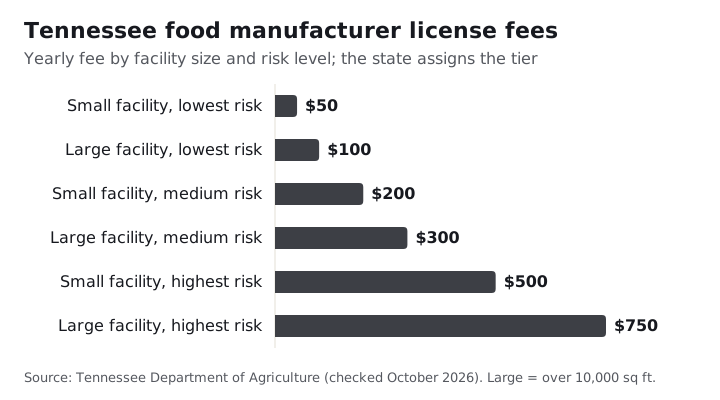
If you repack, portion, or put your own label on food, you may be treated as a manufacturer. The department licenses manufacturers by facility size and risk level, with yearly fees from $50 to $750 (Tennessee Department of Agriculture).
The FDA also requires “facilities engaged in manufacturing, processing, packing, or holding food for consumption in the United States” to register. They must renew every other year (FDA).
Call the Department of Agriculture before you sign a warehouse lease. Describe exactly what you’ll store and whether you’ll repack anything.
Step 5: Set Up Storage
Your storage needs depend on your products:
- Dry goods need clean, pest-free shelving off the floor.
- Refrigerated and frozen products need walk-in coolers or freezers with temperature logs.
- Beverages are heavy, so you need pallet space and a way to load trucks.
Many new distributors start with a small leased space or shared warehouse and grow into their own facility. In Nashville, industrial areas such as those in West Nashville along the river corridor put you close to major roads.
Step 6: Price for a Real Margin
Your margin has to cover more than the product. It pays for storage, delivery, spoilage, unpaid invoices, and your time.
- Start with your landed cost: the supplier price plus freight to your warehouse.
- Add your handling cost: storage, labor, and packaging.
- Add delivery cost per order. Our guide on how much to charge for delivery shows how to work out cost per stop.
- Set your wholesale price so the retailer still has room for its own markup.
Set a minimum order for delivery. A $40 order across town can cost more to deliver than it earns.
Step 7: Find Your First Accounts
Your first customers are often the closest ones.
- Independent grocers and specialty shops looking for local products.
- Coffee shops, cafes, and bakeries that need regular restocking.
- Restaurants that want specialty ingredients delivered.
- Offices, gyms, and hotels with snack or beverage programs.
Bring samples, a price list, and your delivery schedule. Many buyers care as much about when you deliver as about price. If you can promise Tuesday and Friday deliveries and keep that promise, you have a pitch.
Step 8: Plan Delivery Routes
Delivery is where a distributor earns its keep.
- Group accounts into routes by area and set delivery days for each.
- Respect receiving windows. Many stores and restaurants only accept deliveries at certain hours.
- Keep cold products cold with refrigerated vehicles or insulated containers.
- Collect proof of delivery for every drop. Our guide to proof of delivery explains what to capture.
- Plan for growth. Routes that cover Downtown, East Nashville, and Franklin in one truck may need splitting as you add accounts.
The final leg from your warehouse to each customer is the most expensive part of the trip. Our guide to last-mile delivery explains why, and how businesses keep it under control.
Step 9: Get Insurance and Credit Terms in Place
- General and product liability insurance, which most retailers and suppliers will ask about.
- Commercial auto insurance for your delivery vehicles.
- Property insurance for inventory and equipment.
- Clear payment terms for your customers, such as payment within 30 days, and a process for following up on late invoices.
Cash flow is the biggest risk for a new distributor. You pay suppliers before customers pay you, so keep credit terms tight until accounts prove they pay on time.
Frequently Asked Questions
How do I become a wholesale distributor?
Choose a product niche and find suppliers who sell at wholesale prices. Register your business and sales tax account, and get any food licenses you need. Then set up storage and build reliable delivery routes.
Do I need a license to be a food distributor in Tennessee?
Usually yes. The Tennessee Department of Agriculture inspects and permits food warehouses, and businesses that make, pack, or label food need a manufacturer license. Facilities that hold food must also register with the FDA.
How much money do you need to start a distribution business?
It depends on your products and storage. Dry goods from a small leased space cost far less to start than a refrigerated operation with its own trucks. Your first inventory order and storage are usually the largest costs.
How do wholesale distributors make money?
They buy products at a lower wholesale price from suppliers and sell them at a higher price to retailers and restaurants. The difference has to cover storage, delivery, spoilage, and overhead.
What is the difference between a wholesaler and a distributor?
The terms overlap. A distributor usually has closer ties to the brands it carries, sometimes with exclusive territory, and handles more of the selling and delivery.
Do I need a resale certificate to buy wholesale in Tennessee?
Yes, to buy inventory without paying sales tax. It’s issued automatically when you register for a Tennessee sales and use tax account.
The Bottom Line
Becoming a wholesale distributor means doing a few things well. You need a focused product line, good supplier terms, the right permits, and deliveries customers can count on. Start small, keep routes tight, and grow as accounts prove themselves. When your routes outgrow your trucks, see how wholesale delivery and food and beverage delivery work in Nashville, or price a delivery route.